Oil & Fuel Filter Cross-Reference Guide
The same physical oil filter gets sold under a dozen part numbers. A WIX 51515, NAPA Gold 1515, Fram PH3614, Baldwin B1402, and Purolator L10241 all fit the same engines — same thread, same gasket, same height. The differences are in construction quality, media area, and price. This guide covers how to decode the part numbers, which specs actually matter when cross-referencing, and what the construction differences mean in practice.
Decoding Part Numbers by Brand
Each manufacturer uses a different numbering convention. Once you know the system, you can look at a part number and identify the filter type without looking it up.
WIX
WIX uses 4-5 digit numeric codes with no type prefix. The number range signals the category:
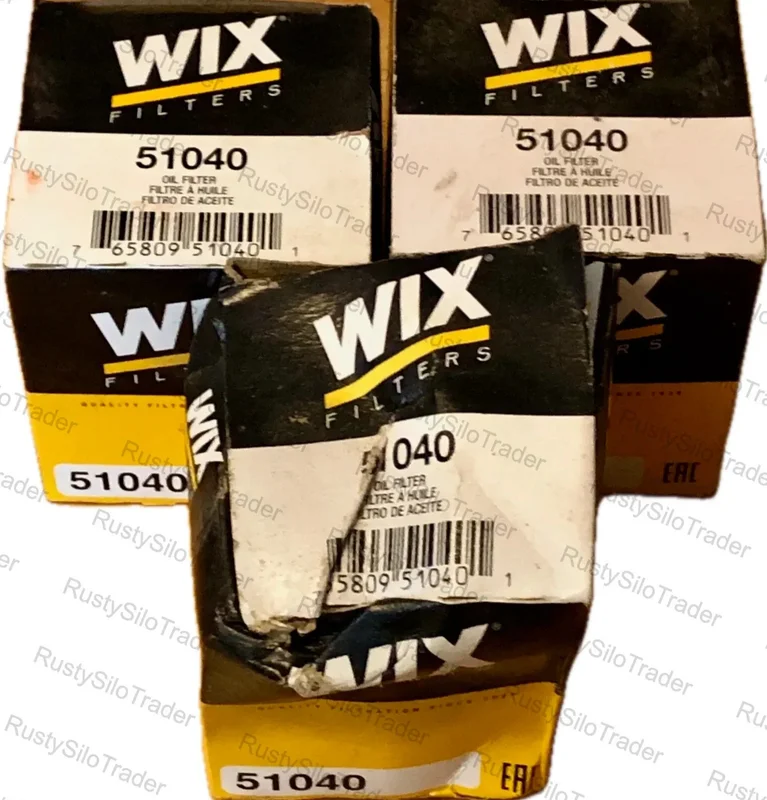
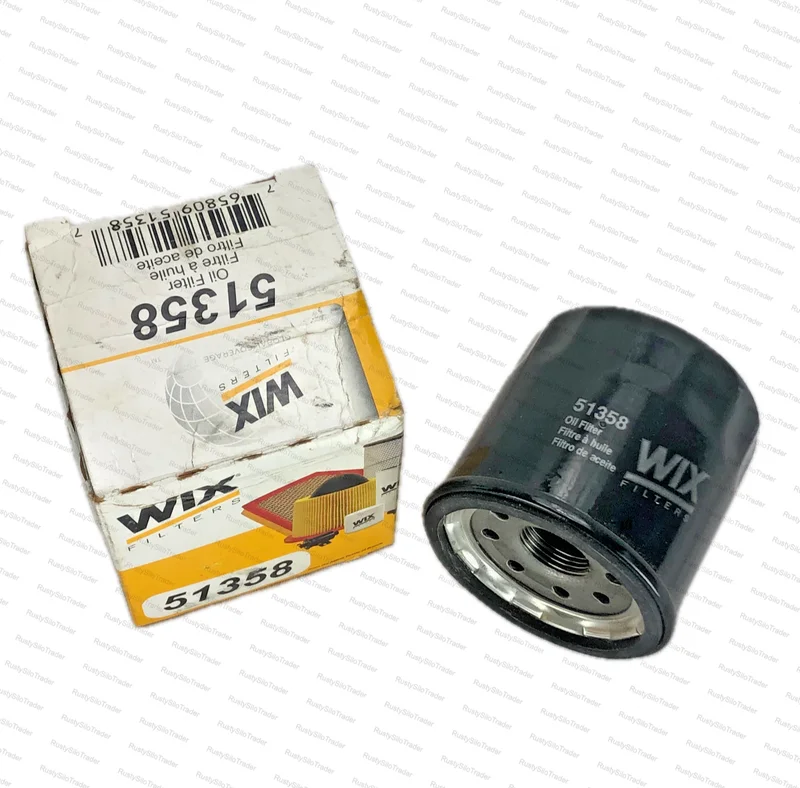
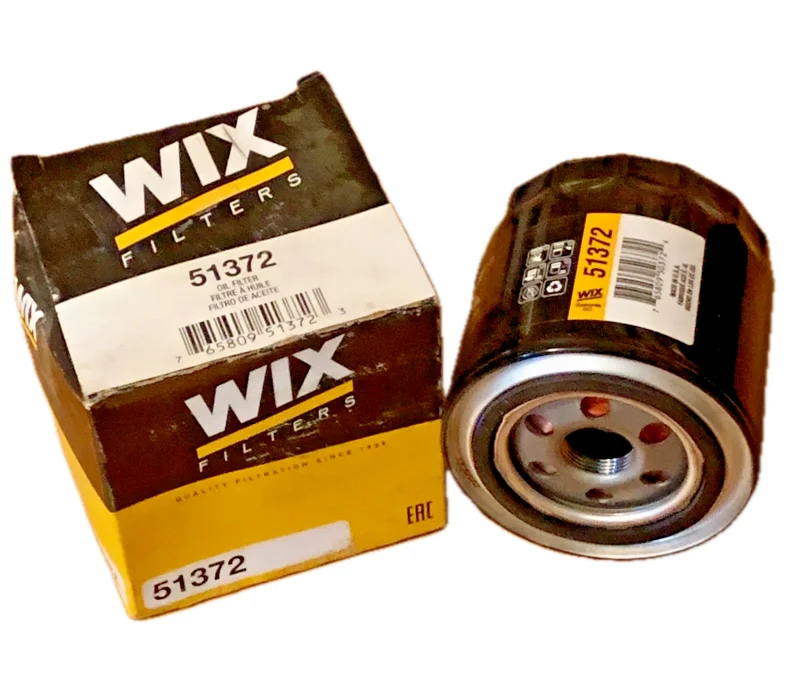
51000-52000 range — Automotive oil filters. The WIX 51040 covers Buick, Chevrolet, GMC, Isuzu, Pontiac, Saturn, and Oldsmobile. The WIX 51358 spans Dodge, Infiniti, Honda, Kia, Mazda, Nissan, and Chevrolet — one of the broadest application ranges in the lineup. The WIX 51372 handles Ford Explorer, Mustang, Dodge Charger, Chrysler 300, and Mazda.
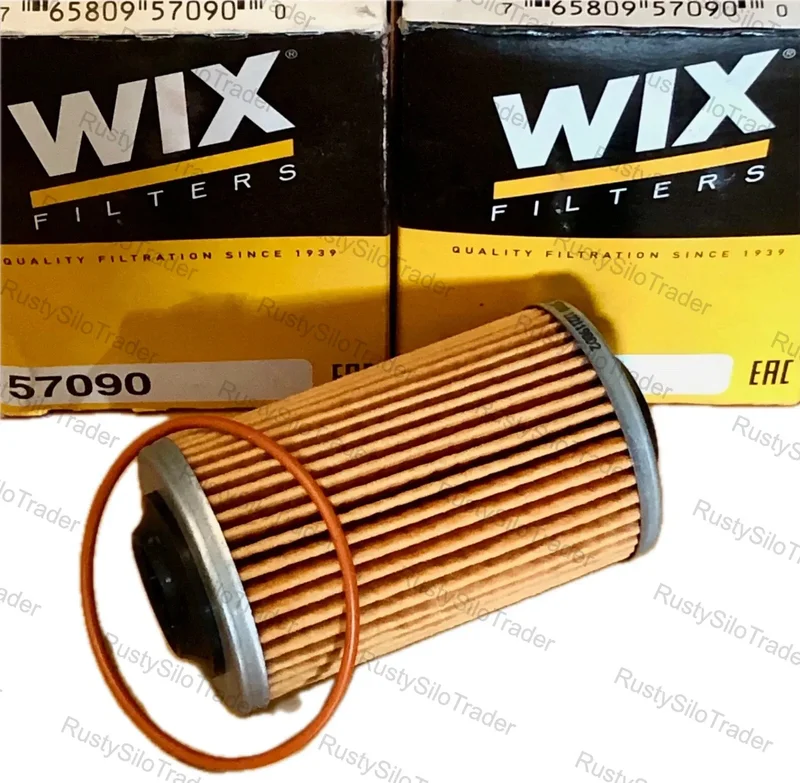
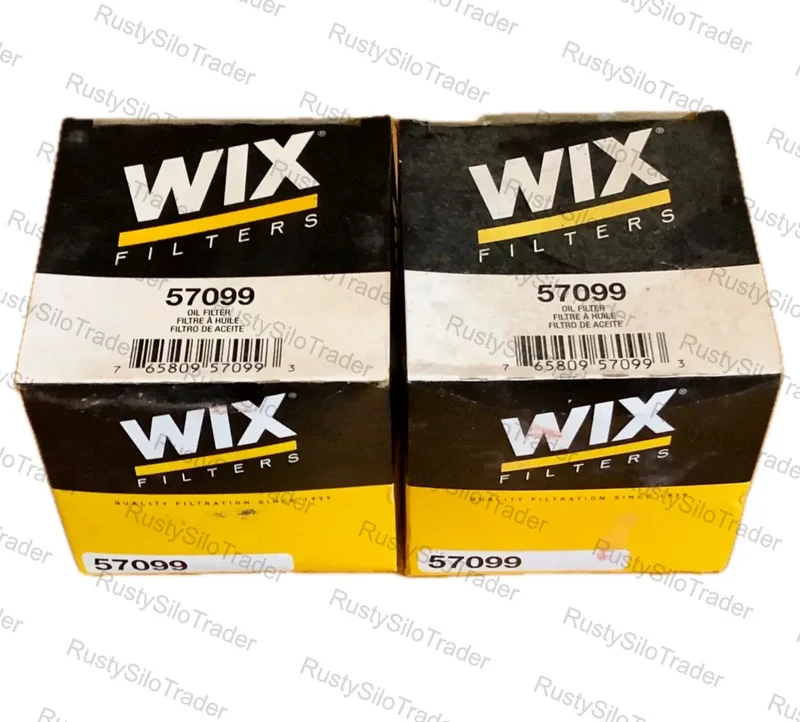
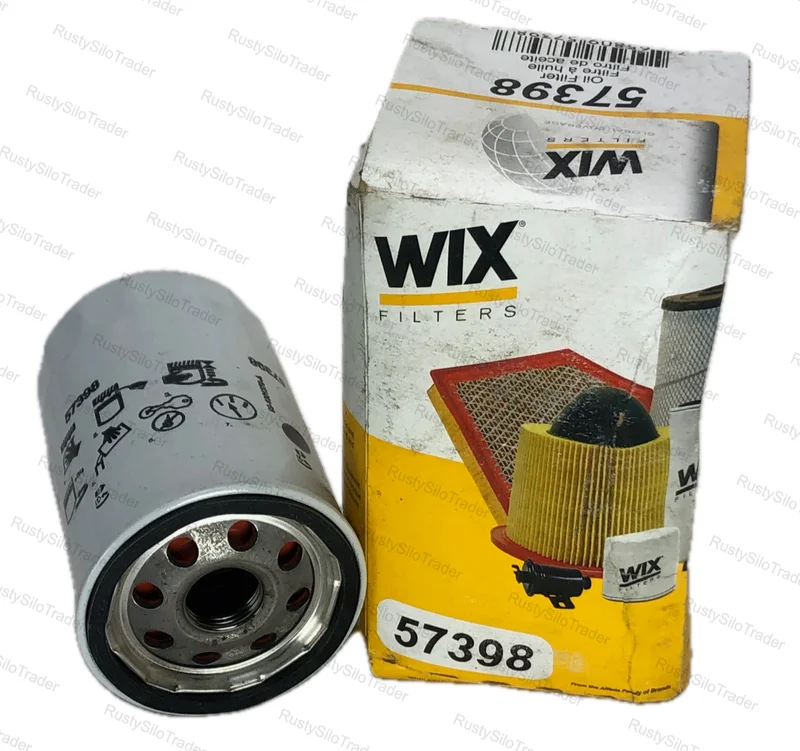
57000-58000 range — Heavy-duty and turbo applications. The WIX 57090 is a turbo cartridge for Chevrolet V6 3.6L. The WIX 57099 is a premium spin-on for Chevrolet and GMC. The WIX 57398 has a 3/4-16 thread for Onan RV generators — a completely different thread pitch from automotive filters.
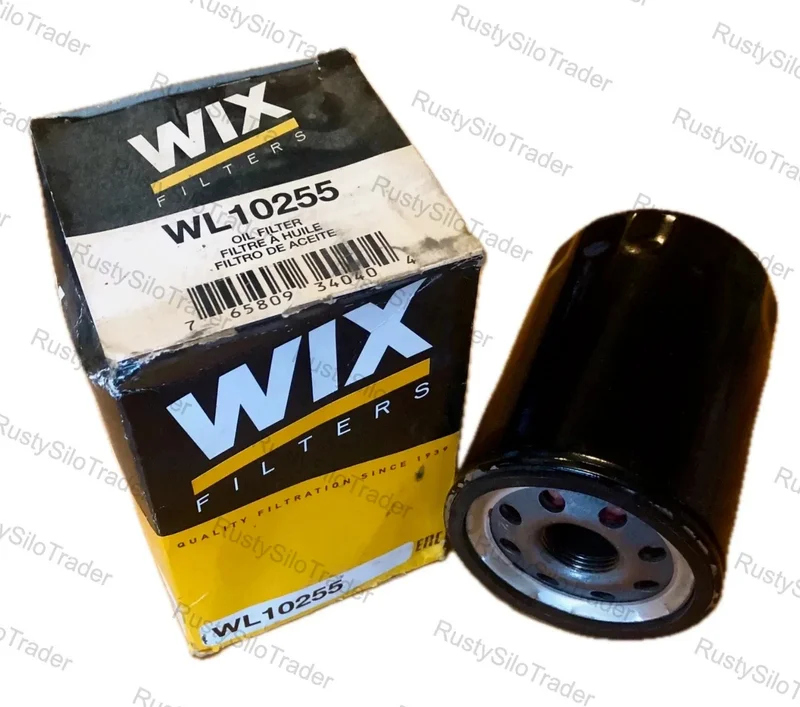
WL prefix — Synthetic media and high-mileage line. The WIX WL10255 uses synthetic-blend media rated at 21 microns for vehicles running synthetic or high-mileage oil.
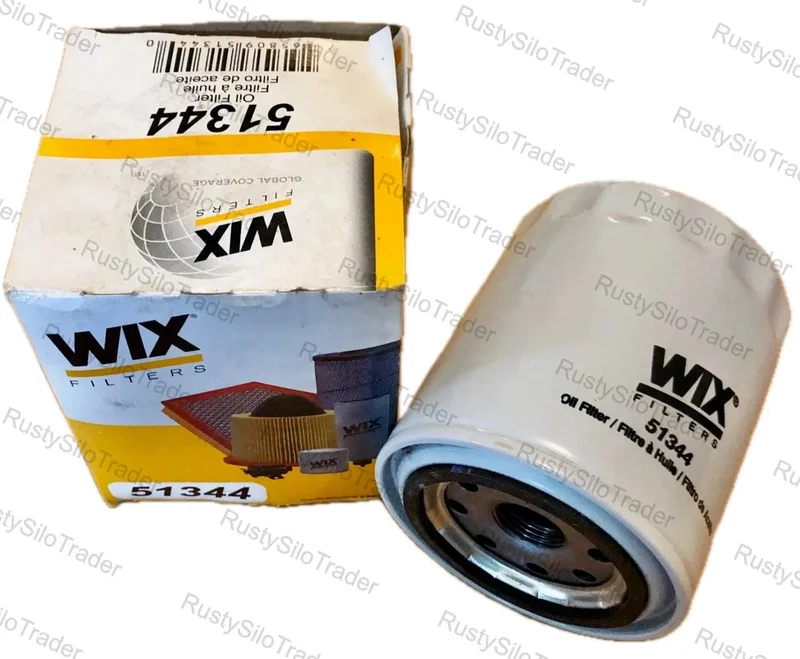
51344 — HD performance cartridge, 21 micron. The WIX 51344 is a performance application filter.
NAPA Gold
NAPA Gold filters use 4-digit numbers that map directly to WIX by dropping the leading digit. NAPA Gold 1515 = WIX 51515. NAPA Gold 1806 = WIX 51806. NAPA Gold filters are manufactured by WIX on the same production lines — identical internally, differing only in paint and packaging. If you can't find a WIX, the NAPA Gold equivalent works.
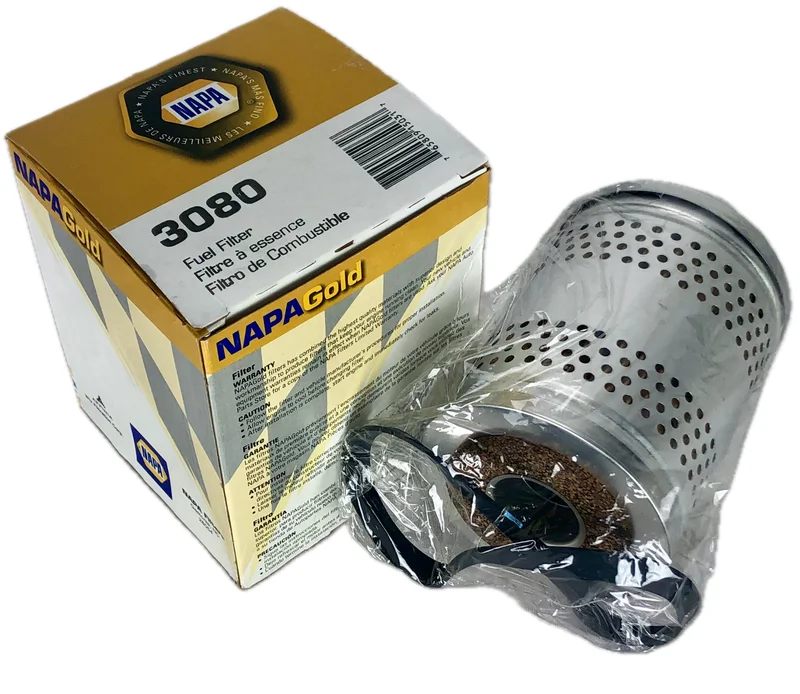
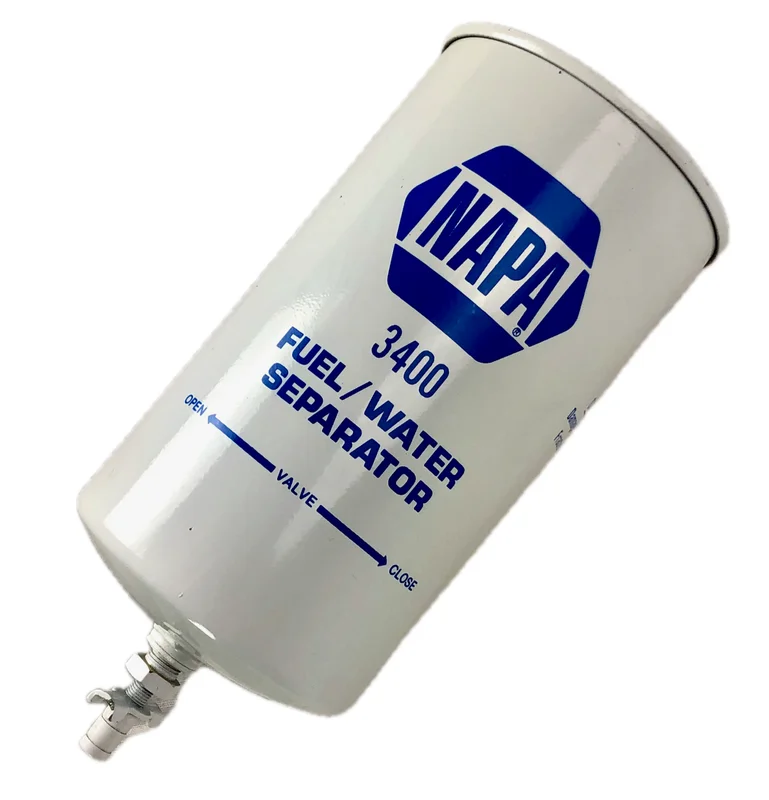
The NAPA Gold 3080 is a diesel fuel filter element for Massey Ferguson and International Harvester. The NAPA Gold 3400 is a diesel water separator with a drain valve.
Fram
Fram uses letter prefixes to denote filter category:
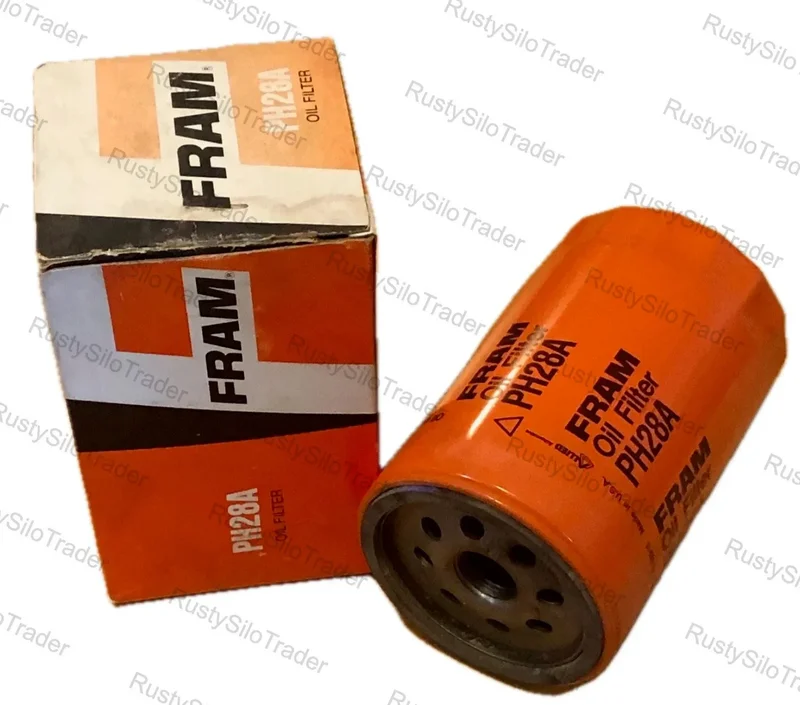
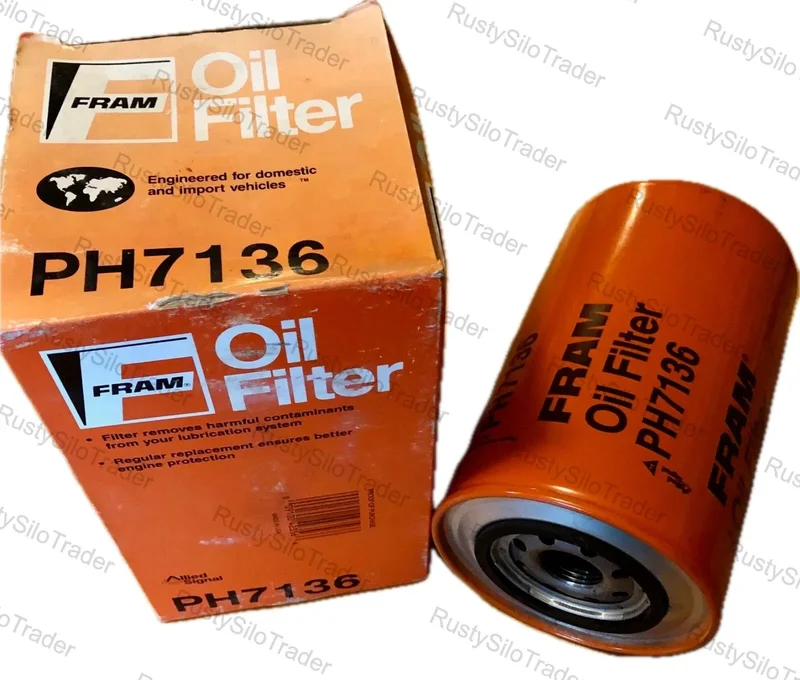
PH — Spin-on engine oil filter. The Fram PH28A is a 20-micron spin-on. The Fram PH7136 covers International DT466 and DT360 heavy-duty engines.
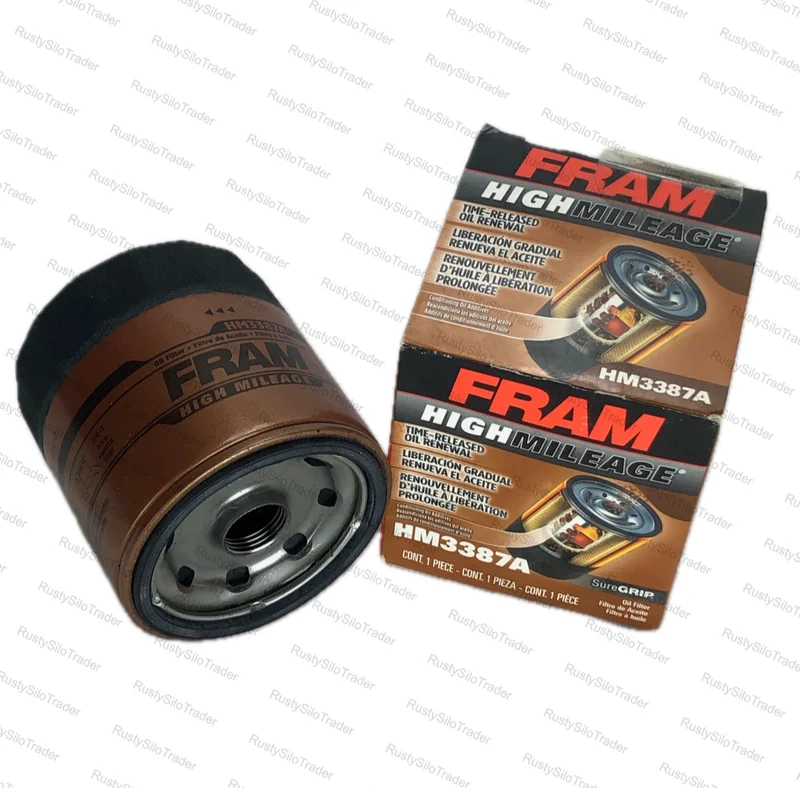
HM — High-mileage oil filter with upgraded seal and media. The Fram HM3387A has SureGrip coating for easier removal in tight engine bays.
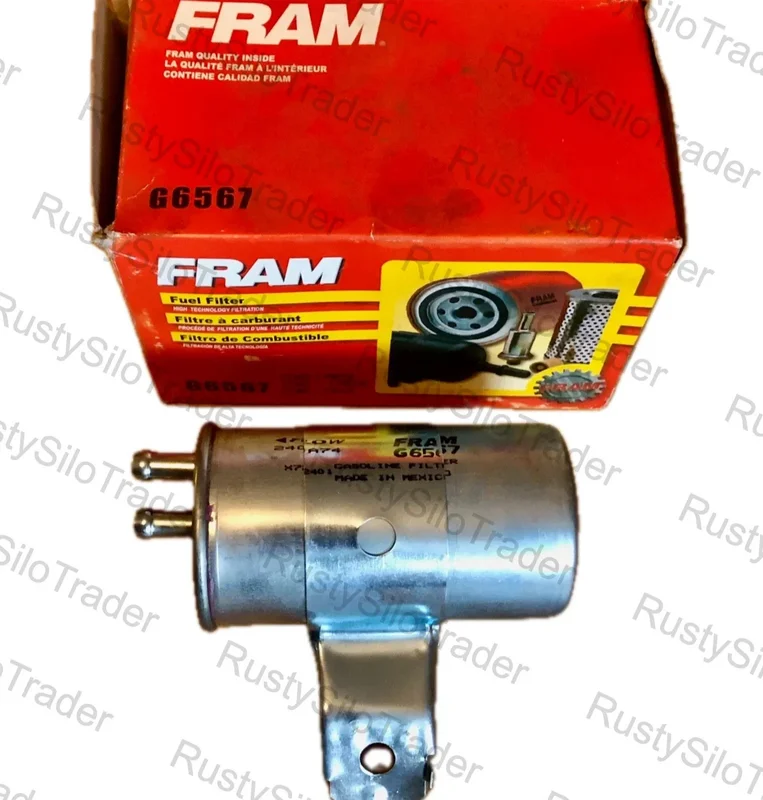
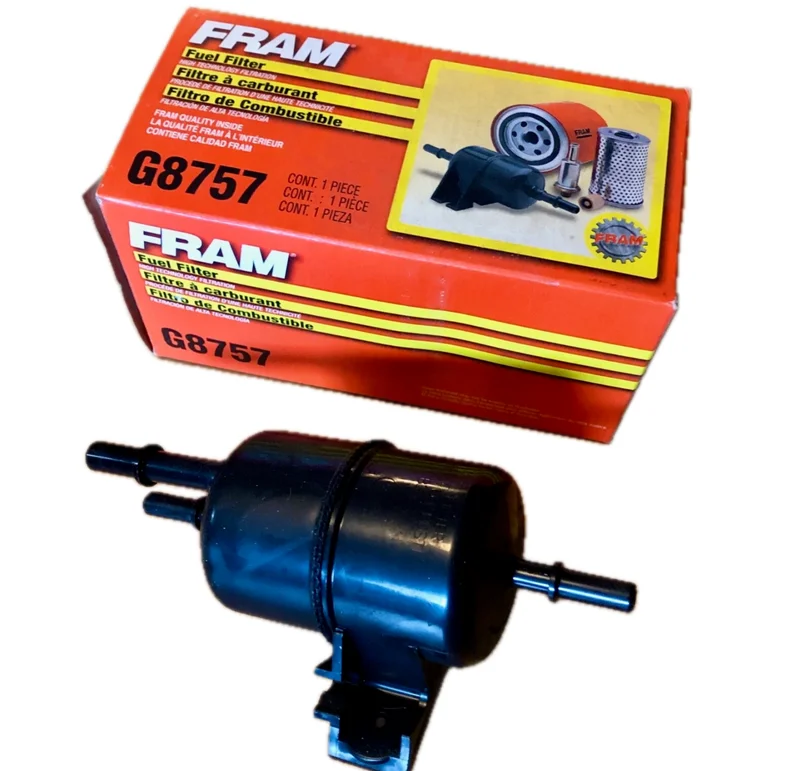
G — Gasoline in-line fuel filter. The Fram G6567 has 3/8" threads for Dodge Dakota and Toyota Camry. The Fram G8757 has 5/16" tube fittings for Ford Ranger and Mazda B-Series.
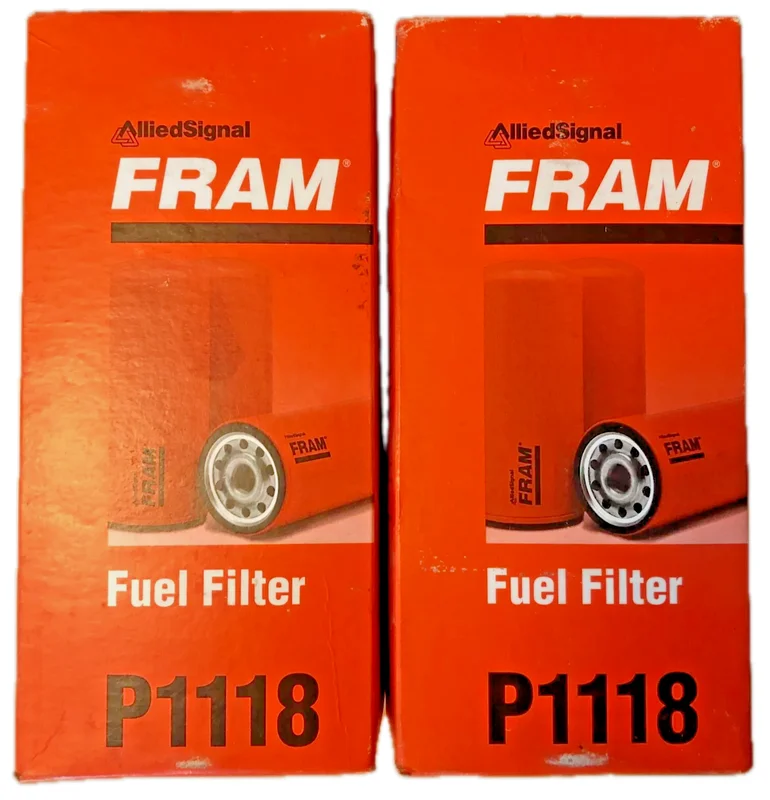
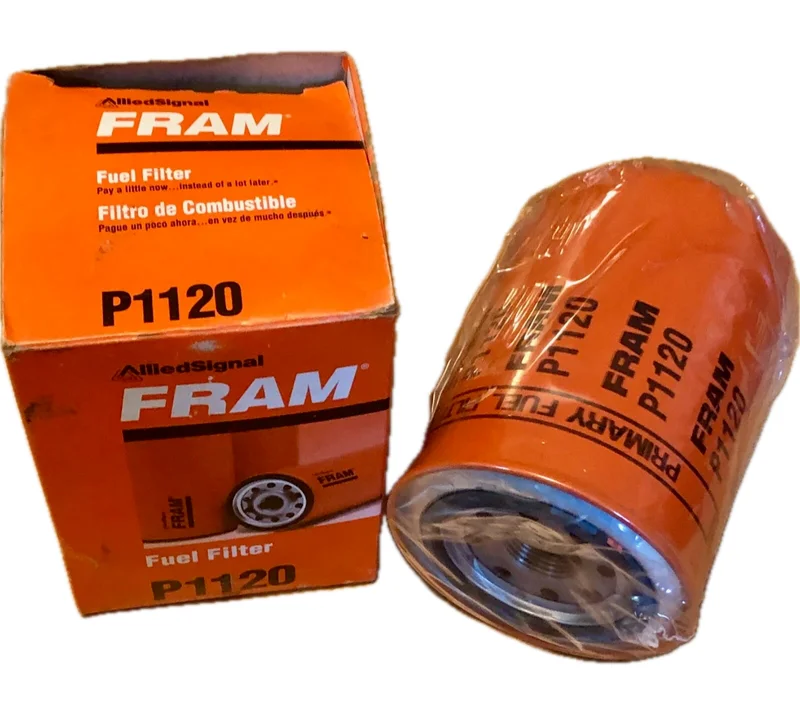
P — Primary diesel fuel filter. The Fram P1118 covers International applications 1994-2003. The Fram P1120 is a heavy-duty diesel canister.
Fleetguard
Fleetguard (owned by Cummins) builds for diesel heavy-duty applications. Prefix system:
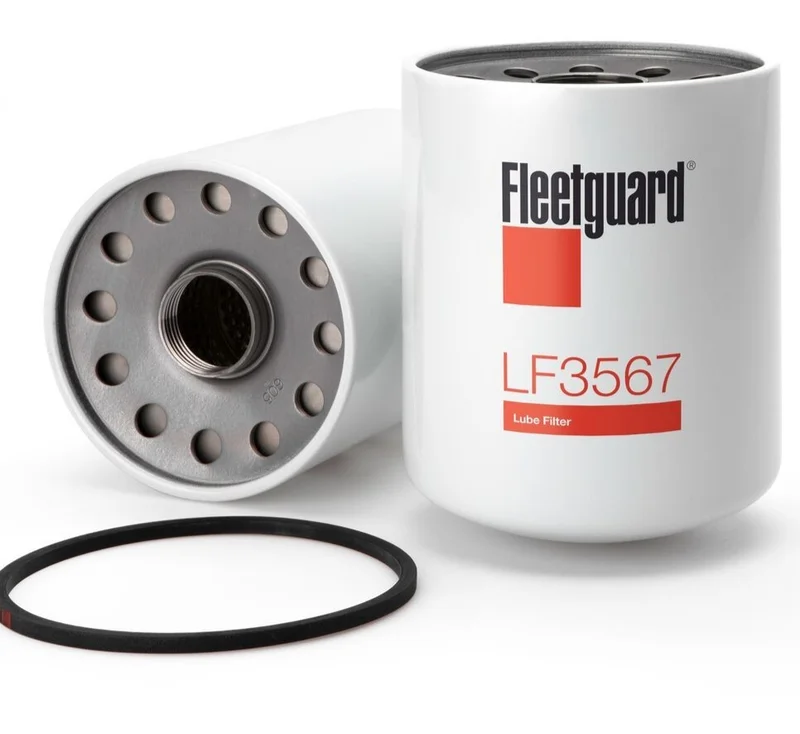
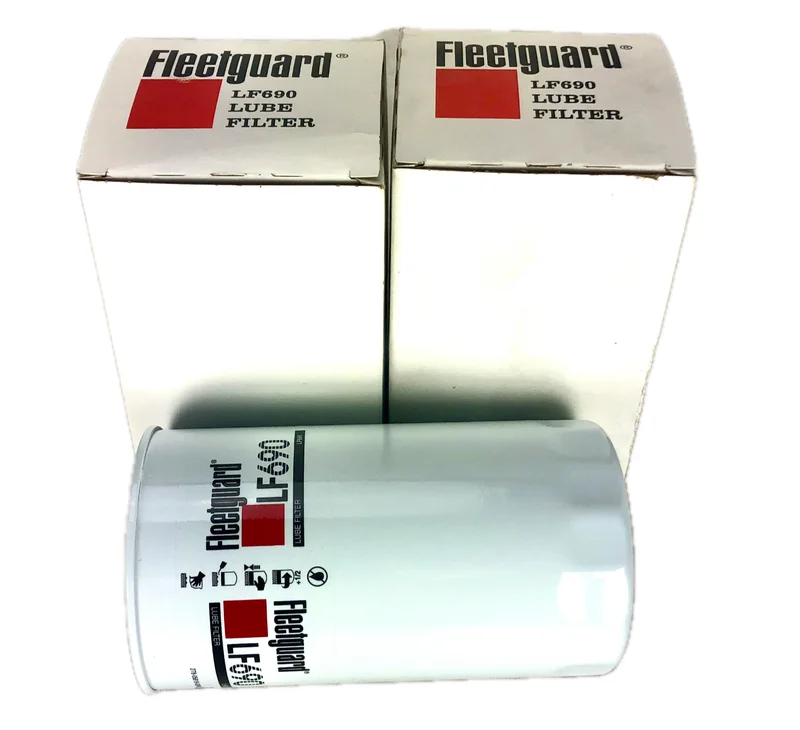
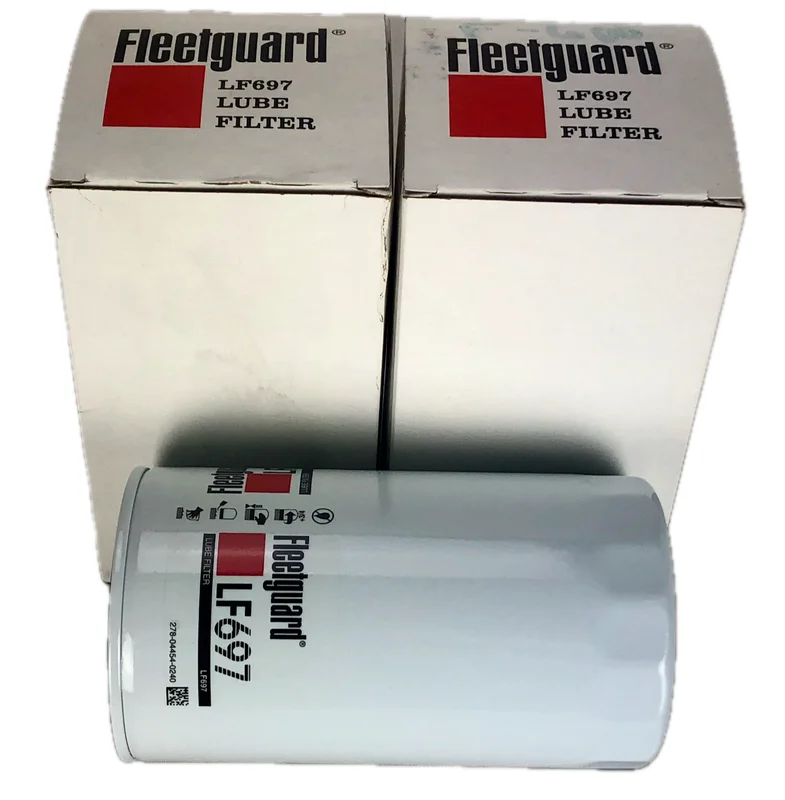
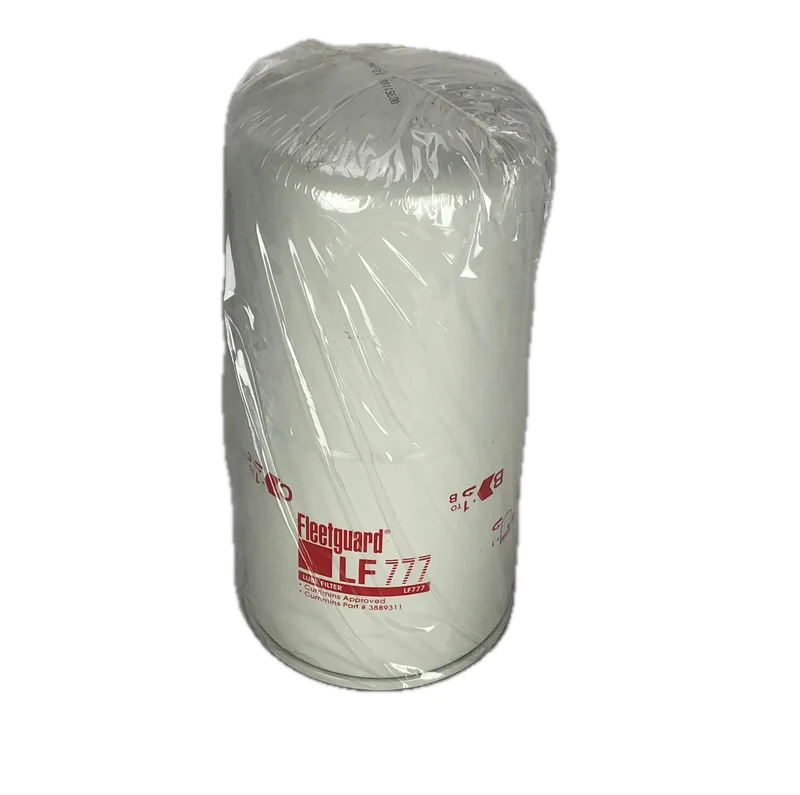
LF — Lube oil filter. The Fleetguard LF3567 is a 30-micron spin-on canister for Cummins. The Fleetguard LF690 and Fleetguard LF697 are full-flow spin-on filters for Cummins diesel engines. The Fleetguard LF777 is a bypass filter for Cummins NT855, KTA19, KTA38, and KTA50.
FF — Fuel filter
- AF — Air filter
Baldwin
Baldwin prefixes are the most descriptive:
- B — Bypass oil filter
- BT — Spin-on oil filter
- PA — Air filter
- PF — Fuel filter
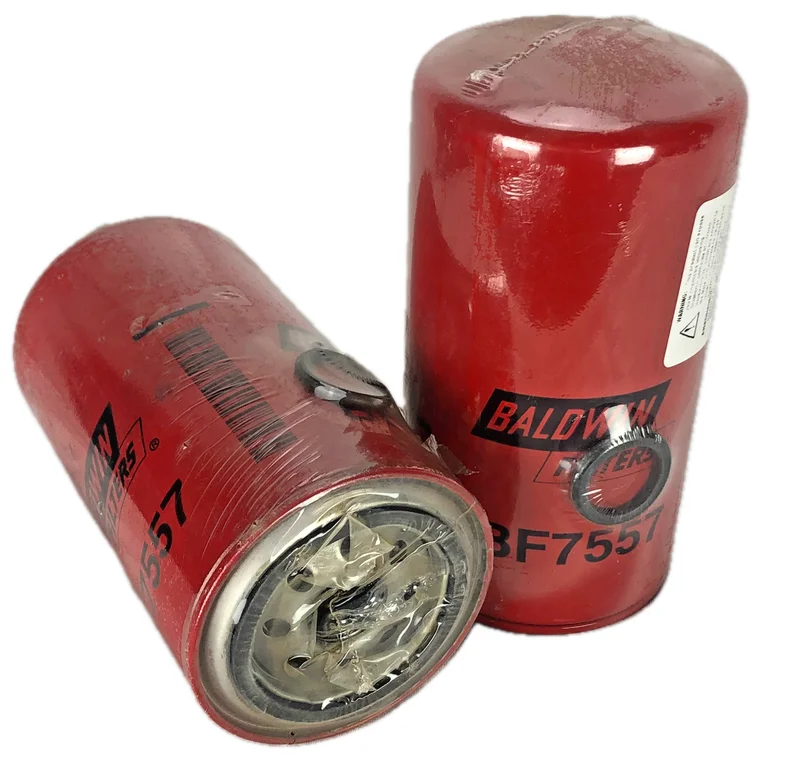
The Baldwin BF7557 is a diesel fuel filter with extended life media.
Other
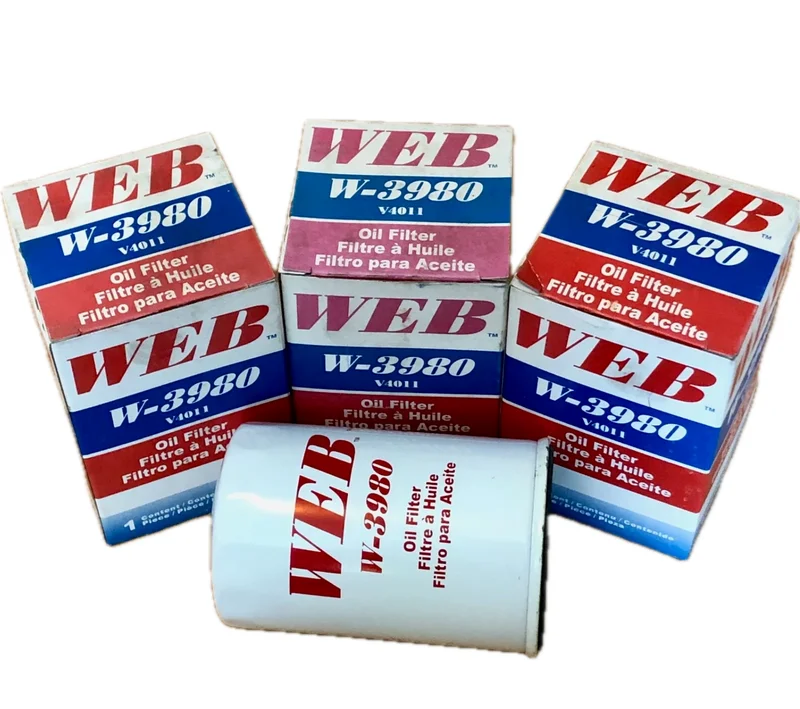
The Web W-3980 is a 3-piece NOS lot fitting Chevrolet S10, Blazer, Corvette, Buick Skylark, and Volvo.
Part Number Prefix Reference
| Brand | Oil Filter | Fuel Filter | Air Filter | Notes |
|---|---|---|---|---|
| WIX | 5xxxx (5 digits) | 33xxx | 4xxxx | WL = synthetic/high-mileage |
| NAPA Gold | 4 digits (= WIX) | 3xxx | 2xxx | Made by WIX |
| Fram | PH | G (gas), P (diesel) | CA | HM = high-mileage |
| Fleetguard | LF | FF | AF | Cummins-owned |
| Baldwin | BT, B | PF | PA | B = bypass |
What Specs Matter When Cross-Referencing
Cross-referencing only works when these seven specs match. Get any one wrong and you'll have a leak, a loose filter, or oil starvation.
- Thread size — M20x1.5, 3/4-16, 13/16-16, 22mm. Wrong thread = cross-threaded or loose.
- Gasket OD and thickness — The gasket must seat in the mounting boss. Wrong OD = oil leak.
- Overall height — Too tall hits the engine crossmember. Too short and the inlet tube doesn't reach the oil.
- Outside diameter — Must clear the filter housing and surrounding components.
- Micron rating — The filter's nominal capture size. Don't downgrade — if OEM is 21 micron, a 32-micron substitute gives worse filtration.
- Bypass valve pressure — Opens when pressure differential is too high (cold oil, clogged media). Wrong rating = either filtered oil bypasses the media or oil starves.
- Anti-drainback valve — Prevents oil from draining out of the filter when the engine is off. Critical for overhead-cam engines where the oil gallery is above the filter.
Why Brand Matters: Construction Differences
Two filters for the same engine can perform very differently. FleetFilter publishes teardown data comparing 17 brands on the same application. Here's what that data shows for a common GM V8 filter (WIX 57060 equivalent):
| Spec | WIX 57060 | Fram PH48 | NAPA Platinum 47060 | STP S3506 |
|---|---|---|---|---|
| Pleats | 50 | 41 | 34 | 62 |
| Media area (sq in) | 107.7 | 46.0 | 73.6 | 98.9 |
| End caps | Metal | Fiber | Metal | Fiber |
| Center tube | Single spiral | Straight weld | Single spiral | Plastic |
| Can thickness | 0.015 | 0.016 | 0.015 | 0.017 |
| Anti-drainback valve | Yes | Yes | Yes | Yes |
| Bypass valve | Yes | Yes | Yes | No |
Key takeaways from this data:
- Pleat count and media area are not the same thing. STP has 62 pleats but less media area than WIX's 50 pleats — the pleats are narrower. WIX has the most media area at 107.7 sq in.
- Metal end caps vs fiber. Metal end caps are more durable. Fiber can swell and fail with certain oil formulations. WIX and NAPA Platinum use metal; Fram and STP use fiber.
- Bypass valve matters. STP S3506 omits the bypass valve entirely. If the media clogs on a cold start, oil flow stops. That's an engine-killing omission.
- Can thickness is nearly identical across brands — 0.014-0.018". This is not a differentiator.
Bypass vs Full-Flow Filters
Most automotive oil filters are full-flow — all oil passes through the media before reaching the engine. Heavy-duty diesel engines use a bypass system: a full-flow filter handles the bulk of the oil, and a bypass filter handles a smaller stream at finer filtration.
The Fleetguard LF777 is a bypass filter — it doesn't replace the full-flow filter, it supplements it. Bypass filters catch particles in the 2-10 micron range that full-flow media misses. Used on Cummins NT855, KTA19, KTA38, and KTA50 engines.
Fuel Filters: Gasoline vs Diesel
Gasoline fuel filters are simpler — in-line cartridges with paper media. The Fram G-series covers most passenger vehicle applications.
Diesel fuel filters are more critical. Diesel fuel systems run at much higher injection pressures (up to 30,000+ PSI on common-rail systems) and the injectors have tolerances measured in microns. A single water droplet or particle can destroy an injector.
- Primary diesel filters (Fram P-series, NAPA Gold) remove particulates from the fuel stream.
- Water separators (NAPA Gold 3400) have a drain valve to remove water that condenses in the fuel tank. Water in diesel is a major cause of injector failure.
- Canister elements (NAPA Gold 3080, Baldwin BF7557) are replacement elements that go inside a bolt-together housing.
How to Cross-Reference
- Find your current filter number. It's printed on the canister. If it's unreadable, check the parts manual or look up the OEM number for your engine.
- Decode the prefix. Use the table above to identify the brand and filter type.
- Find the equivalent. NAPA Gold drops the first digit of the WIX number. Fram PH-equivalents are published in cross-reference charts. Baldwin BT-equivalents map to Fleetguard LF numbers.
- Verify the seven specs. Thread, gasket, height, OD, micron, bypass, anti-drainback. If you're switching brands, confirm all seven match.
- Check construction quality. If the OEM filter had metal end caps and a bypass valve, don't substitute a filter with fiber end caps and no bypass valve to save $3.